');

The 72-Hour Wilderness Challenge: Master Real Survival Skills In Just One Weekend

The 72-Hour Wilderness Challenge: Master Real Survival Skills in Just One Weekend

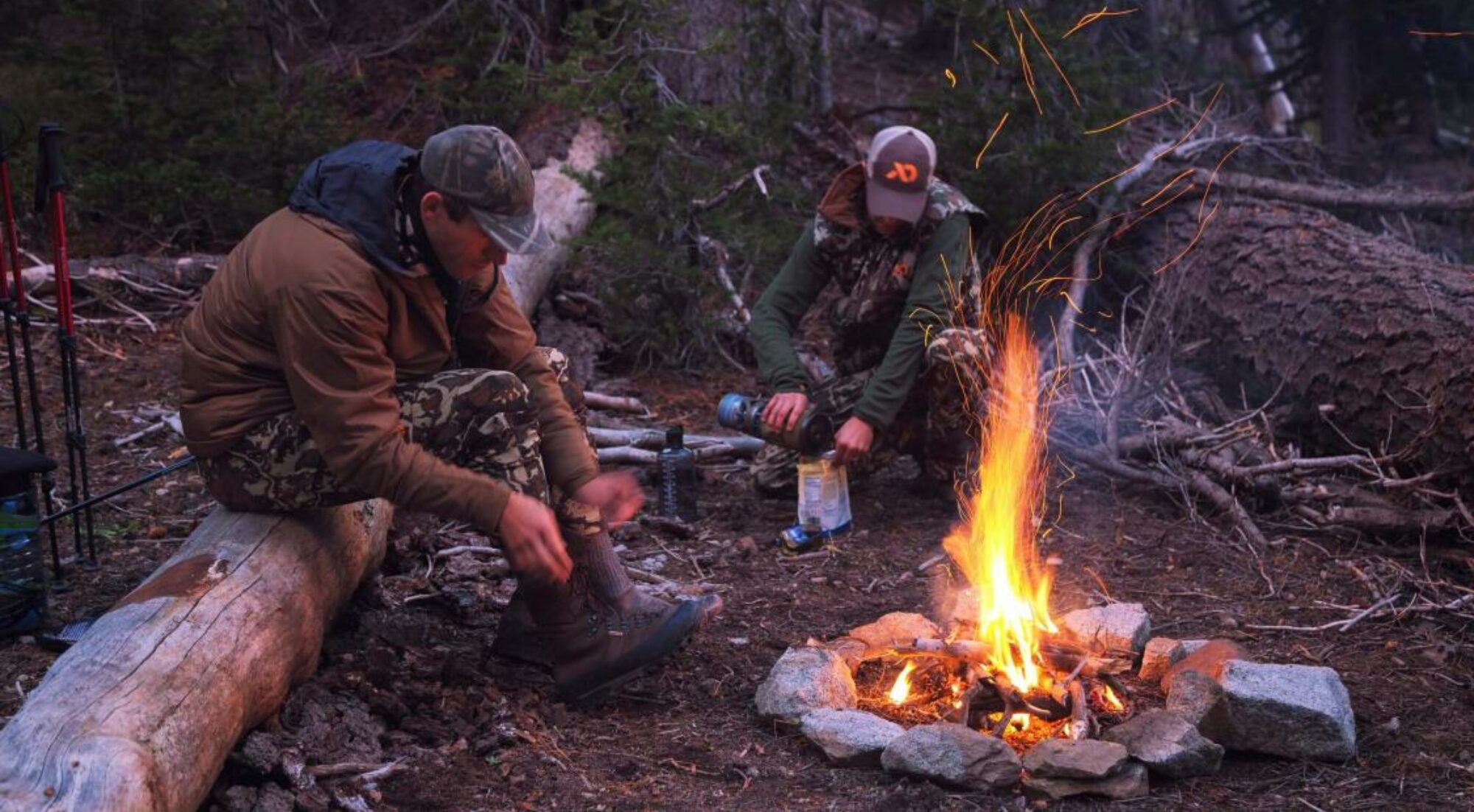
Take one long weekend and step into the woods with almost no gear. That’s the **72-hour wilderness challenge**. In three days, you learn to find water, build fire, make shelter, protect yourself from the elements, forage food, and navigate without GPS. FEMA says everyone should survive 72 hours on their own — this **72-hour wilderness challenge** lets you prove it to yourself while the sun shines, not when disaster forces you. No fear, just fun, fresh air, and skills you’ll keep forever.

Why the 72-Hour Wilderness Challenge Works So Well

Seventy-two hours feels exactly right. It’s long enough to push you, short enough to fit a normal weekend. You leave work Friday evening and drive home Monday feeling like a different person. Most people never test their gear or skills until it’s too late. This challenge flips the script: you test everything on purpose, fix what fails, and come home unbreakable.

72-hour wilderness challenge
gearing

You don’t need to be an expert. Thousands of regular people — teachers, nurses, office workers — finish the **72-hour wilderness challenge** every year and say the same thing: “I had no idea I could do that.” The woods become your classroom and confidence becomes the final exam.

Best part? You spend almost nothing. Use the stuff in your garage, borrow a backpack, and go. When you finish, you own real survival skills instead of another dusty emergency kit in the closet.

Your Ultra-Light Gear List for the 72-Hour Wilderness Challenge

Pack light and pack smart. Everything fits in a normal school backpack and weighs under 25 pounds. Here’s the exact list I use:

– Tarp (8×10 ft) + 50 ft of paracord

– Metal water bottle + Sawyer Mini filter

Ferro rod + small knife

– Headlamp + extra batteries

– First-aid kit (bandages, duct tape, ibuprofen)

– Poncho

– One freezer bag of trail mix (eat only the first night)

That’s it. Leave the tent, sleeping bag, and stove at home on purpose. You build shelter, gather food, and make fire with your hands. Light pack = big learning.

Pick Your Perfect Spot for the 72-Hour Wilderness Challenge

You don’t need remote Alaska. Most Americans live within two hours of free public land. Use these quick steps:

1. Open freecamping.net or the USDA Forest Service map.

2. Look for green areas marked “dispersed camping allowed.”

3. Choose a spot with water (stream or lake) and plenty of dead wood.

4. Drive there Friday after work.

My favorite spots:

– National forests (free, no permit needed for small groups)

– BLM land in the West

– Many state forests on the East Coast

Arrive before dark, set a small base camp, and start your timer. Three days just began.

72-hour wilderness challenge
striking for a fire

Day 1 – Water, Fire, Forage

Drink first. Fill your metal bottle from a moving stream, squeeze it through the Sawyer filter, and boil it over a fire for extra safety. Now you have clean water for the whole weekend.

Next, build fire with one match or your ferro rod. Gather pencil-thick dry sticks, shave a feather stick, and light it. Keep that fire alive — it becomes your stove, water purifier, and morale booster.

Forage easy wins:

– Cattails (the young shoots taste like cucumber)

– Dandelion greens (bitter but safe)

– Acorns (boil twice to remove tannin — turns into nutty flour)

Eat light. Your body runs fine on half rations for 72 hours and you train your hunger instead of feeding it.

72-hour wilderness challenge
lean to shelter

Day 2 – Build a Shelter That Actually Works

Pick a fallen tree or two close trees. Lean long branches against it to form an A-frame. Layer armfuls of leaves until the pile reaches your knee — that’s 18–24 inches of insulation. Crawl in with your tarp as a ground cloth. You’ll stay 20 °F warmer than outside air. Test it Saturday night and sleep like a bear.

Rain? String your bigger tarp overhead as a roof. Ten minutes of work keeps you dry all night.

Day 3 – Navigate Home Without Electronics

Turn your phone off and stash it. Use these simple tricks instead:

– Sun compass: In the morning the sun rises in the east. Stick a shadow stick in the ground and mark the tip every 15 minutes — the line points east-west.

– Watch method: Point the hour hand at the sun. Halfway between the hour hand and 12 o’clock is south (in the northern hemisphere).

– Handrail navigation: Follow a stream downhill — it always leads to bigger water and roads.

Walk 300 yards away from camp, spin around twice, and find your way back. When you do it, you’ll grin like a kid who just won the game.

The Reset You Bring Home

Monday morning you drive out of the woods different. You made fire with sticks. You drank water you purified yourself. You slept warm under leaves you gathered. No YouTube video gave you that feeling — you earned it.

Those three days prove something huge: you can handle way more than you thought. The next time the power goes out for a week or the grocery shelves empty, you won’t panic. You’ll smile, because you already lived it — on purpose, for fun, in the **72-hour wilderness challenge**.

Ready for your turn? Get your gear.  Pick your weekend. The woods are waiting.

Other resources:

Scouting.org

I hope this has been helpful and inspiring. If you have any comments, questions or input please do so in the box below.

Thanks!

Ways to avoid exposure to the elements

Have you ever been so cold that it stops hurting? How about a heat stroke? Have you ever been in a flood or even a hurricane or windstorm? Hot or cold. Soaked or dehydrated. Wind or altitude. Insects or disease. After a flood comes the bugs and bacterial diseases. Believe it or not, wind can make you chapped and dehydrated but can also cut through your clothes leaving you frozen. These are obviously the worst case scenarios but on this semi-unforgiving planet, ignorance and complacency can catch you off guard and you would be wise to learn to avoid exposure.

Wind and Altitude

Wind can vary from a light breeze to a hurricane. A light breeze at even 40 degrees Fahrenheit can be bitter cold and cause hypothermia if exposed for a long period. Obviously, extra clothing can help insulate you from the cold and keep body heat in. Hot, dry winds can dry your skin and cause chapping, even dehydrate you. Other than a windbreaker or other clothing that has wind protection technology, finding stable shelter or going indoors is the only other option.

Building a shelter in the wilderness is a handy skill to have. If you would like more info on that subject head on over to these links:

Wilderness survival skills

Building suitable shelter

avoid exposure
High Altitude Hiking

AMS is the acronym for Acute Mountain Syndrome. AMS can happen to anyone and it’s not really known exactly what causes it. People who have climbed or hiked for years at high altitudes can suddenly experience it without warning. Early warning signs of AMS can include nausea, headaches, feelings of fatigue, dizziness and disorientation. If not addressed, they can get worse and effect your motor skills and even walking. The only surefire way to address AMS is to descend to lower altitudes as quickly as possible.

Heat and Cold

Frigid temperatures are quite uncomfortable to most people and if not properly prepared for are quite dangerous. Proper, warm clothing is your best bet for staying warm. However, constant movement of body and limbs causes friction which creates heat. Try to keep moving, even pacing in place or flexing your fingers when needed, it will keep the blood circulating and the heat flowing. A small fire can warm the extremities and keep frostbite at bay.

avoid exposure
Frostbite

The Heat is just as dangerous. Exposure to the sun can cause dehydration or sunburn and with physical exertion can cause heat exhaustion and even heat stroke. Drink plenty of water with electrolytes. When the body sweats, you lose precious sodium and other hydrating minerals that must be replenished. The body needs them for proper muscle function, blood circulation and brain function as well. However, finding a nice shady spot to beat the heat, like under a tree, can be the simplest yet best idea.

Precipitation and Dehydration

A fair amount of people believe that getting caught in the rain can lead to the common cold. The combination of wetness and cold temperatures can indeed make you sick. Snow included. Rain jackets, poncho or even a large trash bag if your in a pinch, will keep you dry and slick away the moisture. Avoid letting your feet get wet or if they do, dry them as soon as you can to ward off Trench Foot. It is a rotting of the flesh cause by being cold and absorbing too much moisture. The body stops flow of blood to the cold, wet limbs in an attempt to conserve energy and it’s quite nasty, possibly leading to amputation.

On the opposite side of that storm is dehydration. Not drinking enough water or simply not having the electrolytes needed to maintain proper physical and mental operation can be deadly. First you will start to chap up or ‘parch’ as some people call it. You may seem very thirsty and that’s because you are and it may be accompanied by delirium or hallucinations. Next you will lose consciousness then organ damage followed by death. Keeping an amount of salt will keep up on the electrolytes and sodium that your body needs. If you don’t have any water with you, find shade immediately if you start to feel overheated or extra thirsty. Sometimes it is possible to dig down into the earth a couple feet and find ground water.

Insects and Disease

avoid exposure
Mosquito

Flying and biting insects of the wild, especially mosquitoes, carry diseases like malaria (in some countries), Dengue, Yellow fever, blood borne pathogens and now even West Nile virus. Precautions like a bug spray or even essential oils that are effective at repelling pesky biting bugs are highly suggested. If you get caught in the wild without repellent of any sort then rubbing mud on your exposed skin will help protect you from biting insects. While it doesn’t deter them from trying they cannot bite through the mud. It is a method of protection the Native American Indians have used for centuries.

Staying safe and healthy

Take proper precautions to stay safe while on a hike, out in the wilderness camping or for any reason you might be at risk of exposure. Exercise, vitamins and eating healthy can help mitigate some of the more severe symptoms of certain exposures. The tips and suggestions in this article will also keep you from extreme exposure to the elements. This world can be harsh and Humans have evolved to a point where we have the luxuries of air conditioning, solid shelters we call houses and vehicles that can travel 10 times faster than any horse or covered wagon. So, next time you’re out and about you will now have the knowledge to keep yourself safe from the extremes.

I hope you found this article informative and if you have any questions, comments or input please feel free to do so in the comments box below.

Thanks

Other resources:

READY.GOV

Field dressing injuries: Guide to dressing wounds with limited supplies

A field dressing or battle dressing is a kind of bandage intended to be carried by soldiers for immediate use in case of a wound, usually a gunshot wound. It consists of a large gauze or absorbent pad attached to the middle of an elastic strip used to fasten or hold the pad in place.  Field dressing injuries is meant to protect the injury or wound and prevent further complications. They would be able to clean and bandage themselves up so not to bleed out and move on to seek medical attention before it got infected or a limb went gangrene. In this guide, I will explain how to field dress your injury, not necessarily a gunshot wound, with limited supplies and without having a specialized kit for the situation.

Continue reading “Field dressing injuries: Guide to dressing wounds with limited supplies”

Social media & sharing icons powered by UltimatelySocial
error

Enjoy this blog? Please help others be prepared and spread the word :)

RSS